Titanium
Ti-6Al-4V (Grade 5)
The workhorse titanium alloy — aerospace-born, now forged into connecting rods, valves and race exhausts.
S/W ●●●●●Heat ●●●●Jet Age
🏁 Porsche 911 GT3 — Titanium Rods
The full directory — filter by family or where it lives in the car.
The workhorse titanium alloy — aerospace-born, now forged into connecting rods, valves and race exhausts.
Laser-melted titanium powder grown into topology-optimised parts impossible to machine.
The original age-hardened aluminum. It built Zeppelins, then hand-beaten bodywork for racers.
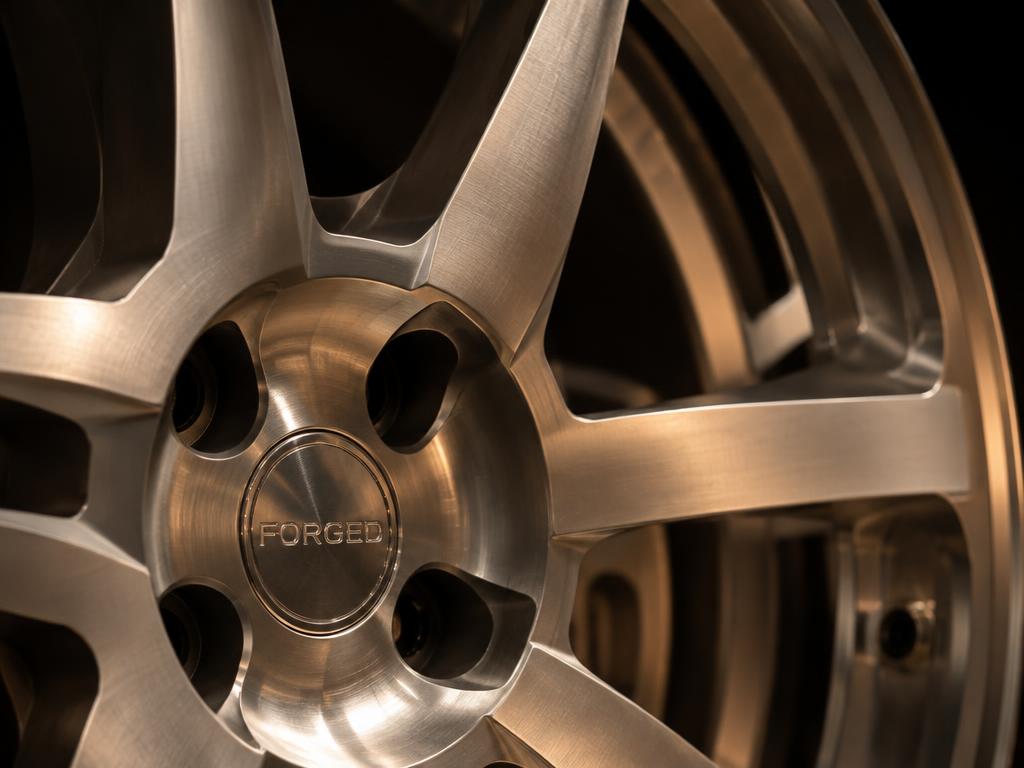
The go-to alloy for forged wheels and extruded chassis rails.
Zinc-rich aircraft aluminum — nearly as strong as mild steel at a third of the weight.

Featherweight magnesium that gave 1950s racers their 'mag wheels' and fire-prone legend.
The most-used die-cast magnesium — gearbox housings, steering wheels and seat frames.
Nickel-chromium superalloy that shrugs off 1,000 °C exhaust gas.
Cast superalloy for turbine wheels spinning at 200,000 rpm.
Chromium-molybdenum steel tube — backbone of spaceframes and roll cages.
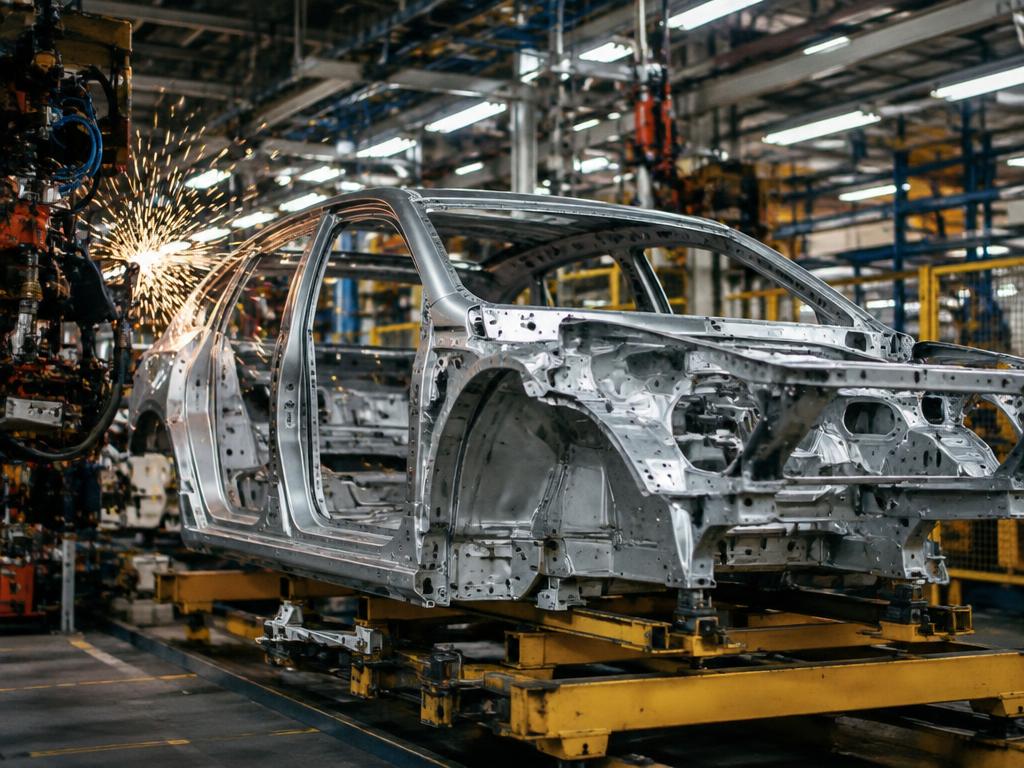
Hot-stamped steel reaching 1,500 MPa — the invisible safety cage of modern cars.
Ultra-strong nickel steel for gearbox shafts and drag-racing crankshafts.
Cold-workable titanium tube used for featherweight exhausts, roll bars and springs.
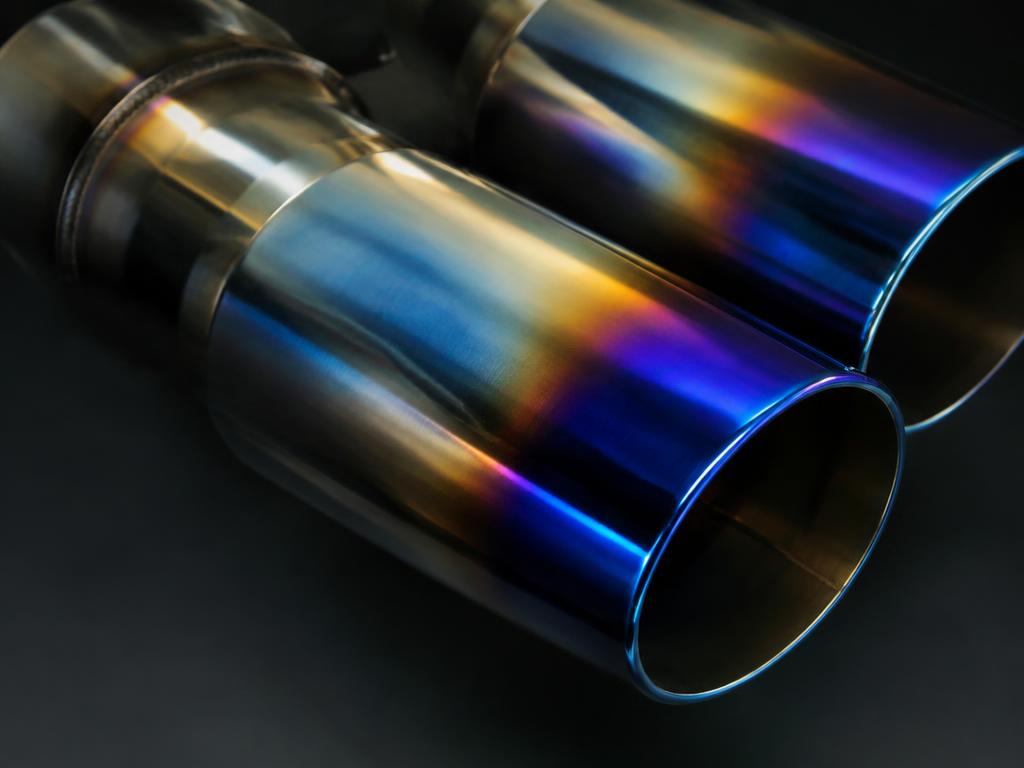
Unalloyed titanium — easy to weld, famous for the blue-purple 'burnt' exhaust tip.
The alloy inside almost every cast alloy wheel on the road today.
Magnesium-rich aluminum sheet behind all-aluminum bodies and pickup truck panels.
The lightest wheels you can buy — up to 30% lighter than forged aluminum.
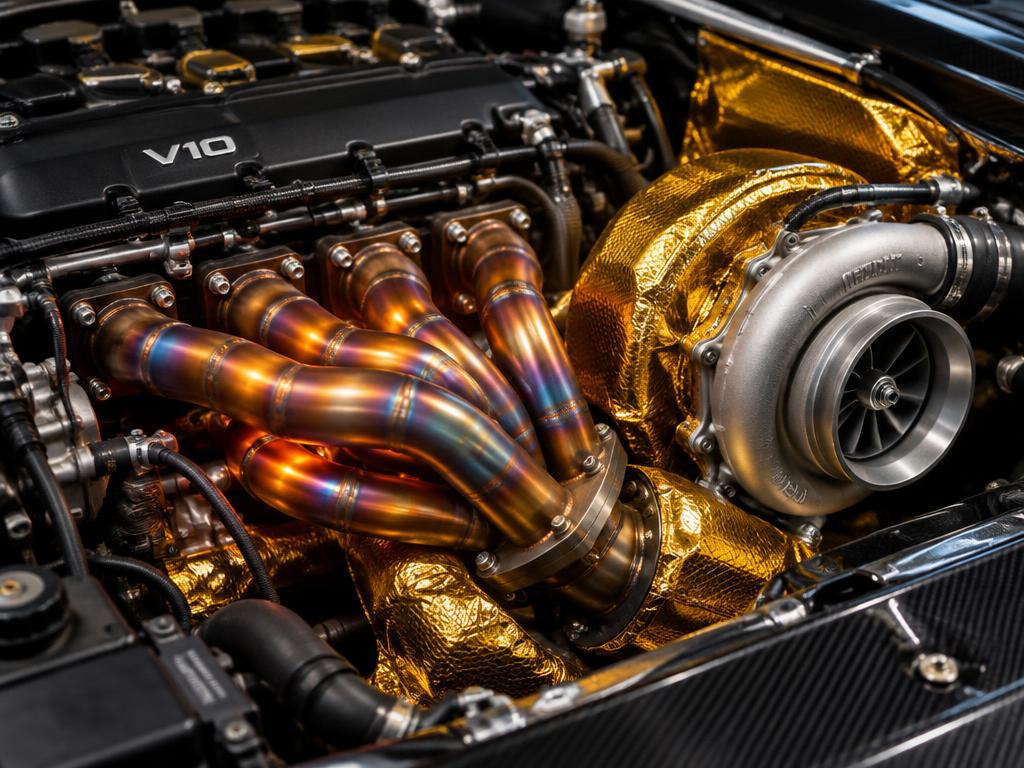
Nickel-molybdenum superalloy for headers and turbo housings that live red-hot.
Age-hardened superalloy for exhaust valves, turbo bolts and bearings.
Ferrite plus martensite — the advanced high-strength steel in crumple zones.
Cheap, tough and repairable — the original car wheel and still the winter favourite.
18/8 stainless — the default for durable performance exhausts.
This directory covers named alloy grades alongside broader material and manufacturing categories. Start with the job a component must do, then compare its base metal, processing route and limitations.
In 6061-T6, 6061 identifies an aluminum alloy and T6 identifies a solution-heat-treated and artificially aged temper. Ti-6Al-4V refers to titanium with nominal additions of 6% aluminum and 4% vanadium by mass. AZ91 is a magnesium-aluminum-zinc alloy designation. These names are not interchangeable measures of strength.
A billet, sheet, casting and finished wheel can behave differently even when they share an alloy designation. Strength also depends on temper, thickness, heat treatment and test direction. The compositions here are simplified nominal guides rather than certified chemistry; use the relevant specification and material certificate for engineering work.
Strength-to-weight helps explain why a material can reduce mass, while heat and corrosion resistance help explain where it can survive. Our dot meters are editorial comparisons, not measured engineering values or design limits. A higher affordability score means a more economical general choice; it does not quote a supplier price.