Ti-6Al-4V (Grade 5)
Porsche 911 GT3
Titanium connecting rods allow the flat-six to rev past 9,000 rpm.
Legendary machines, and the metals that made them legendary.
Titanium connecting rods allow the flat-six to rev past 9,000 rpm.
First mass-production car with titanium connecting rods.
Printed titanium brake calipers — the largest functional Ti print of its time at 2.9 kg.
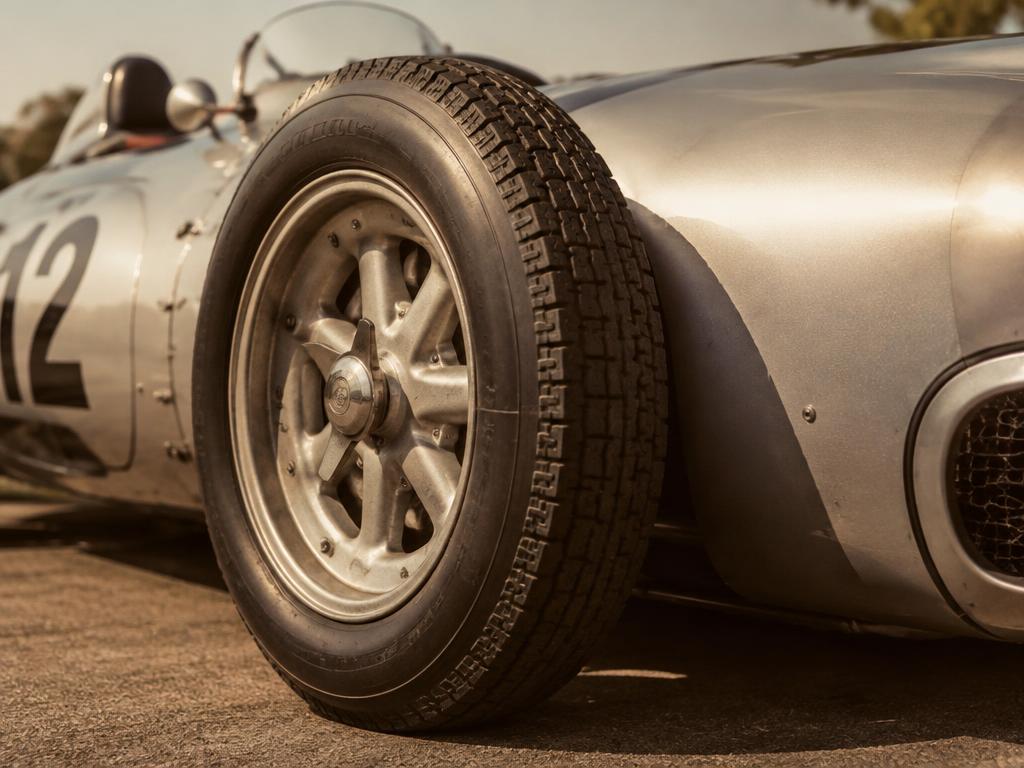
Hand-formed aluminum skin over a steel tube frame.
Lightweight alloy-bodied racers.
Bonded extruded aluminum tub weighing just 68 kg.
Machined 7075 uprights and wheel nuts.
Elektron bodywork, tragically flammable at Le Mans.
Magnesium gearbox casing and wheels.
Air-cooled engine crankcase in magnesium.
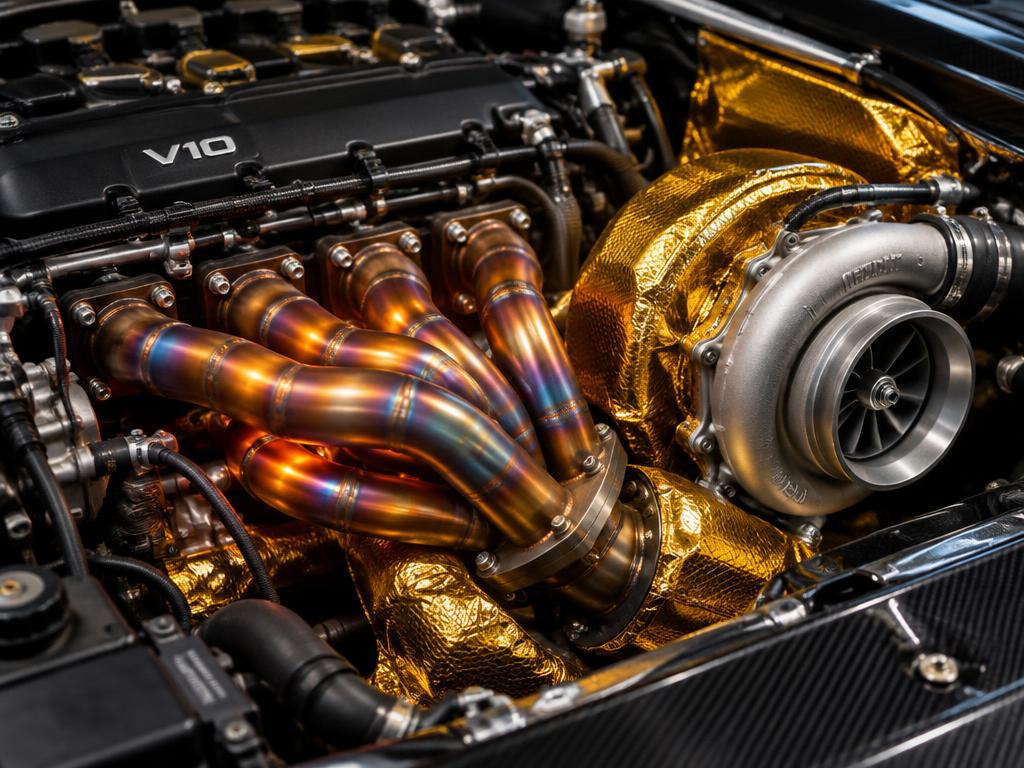
Inconel exhaust, with gold foil lining the engine bay as heat shield.
Thin-wall Inconel exhausts around hybrid turbos.
KKK turbocharger turbine wheel in nickel superalloy.
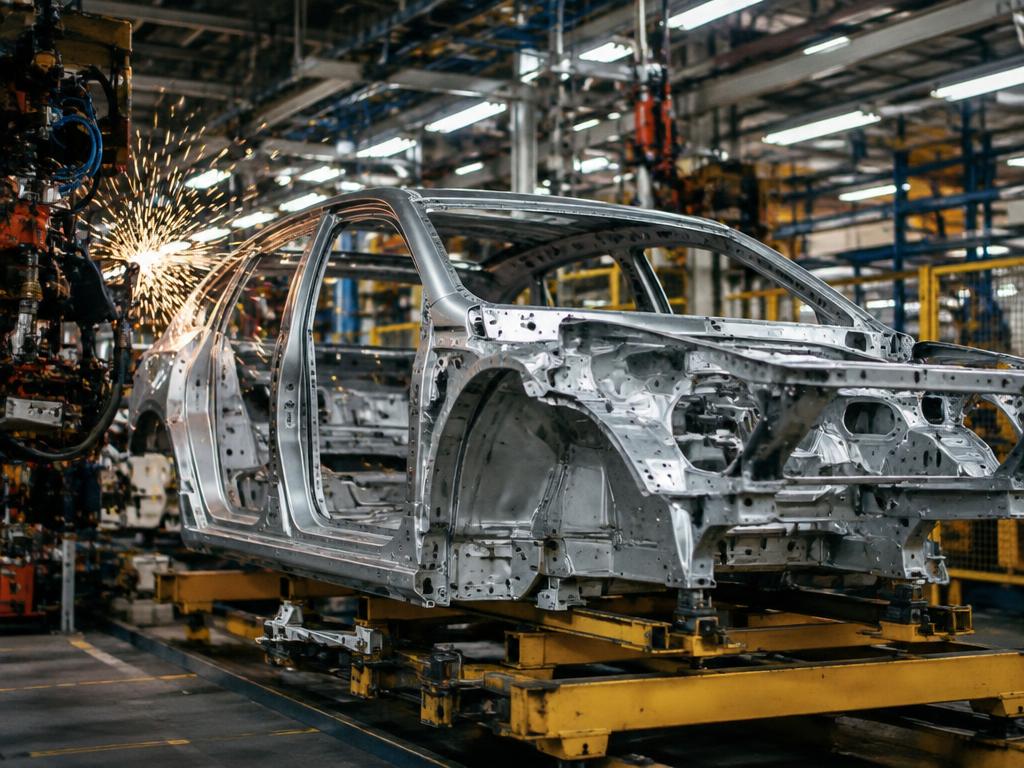
Spaceframe so tall at the sills it required gullwing doors.
~40% hot-formed boron steel body structure.
Crankshafts surviving 11,000 hp.
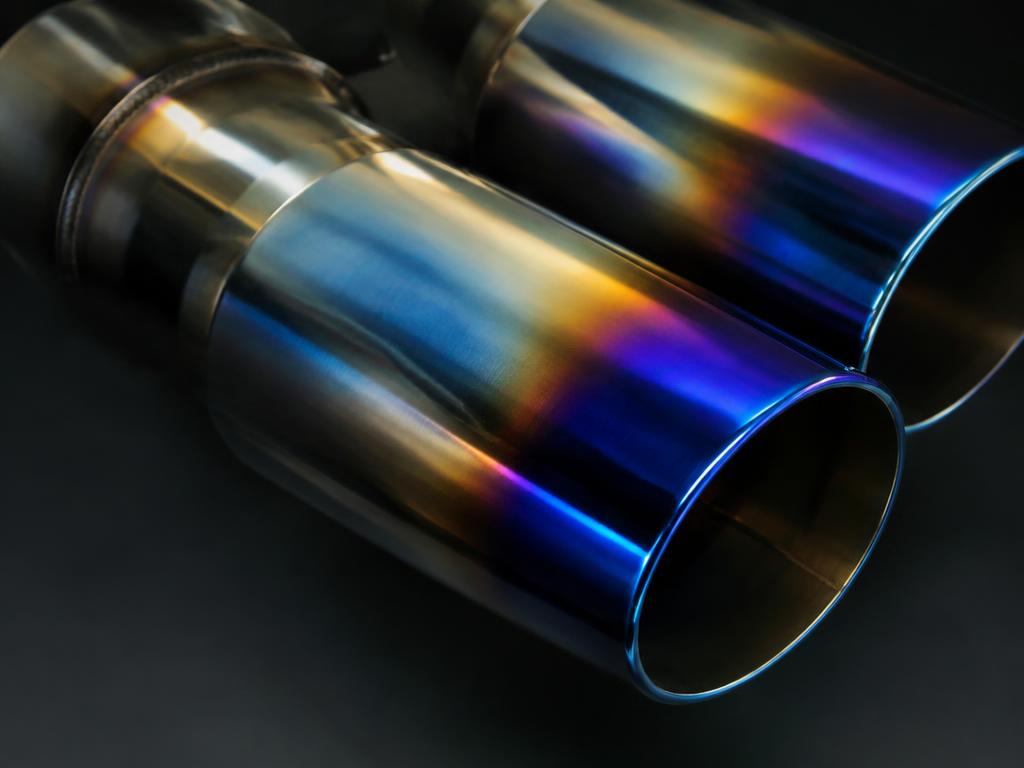
Aftermarket titanium exhaust saves ~10 kg.
Titanium muffler with signature heat-blued finish.
Low-pressure cast A356 wheels as standard.
First mass-production aluminum space frame (ASF).
Military-grade aluminum body saves ~320 kg.
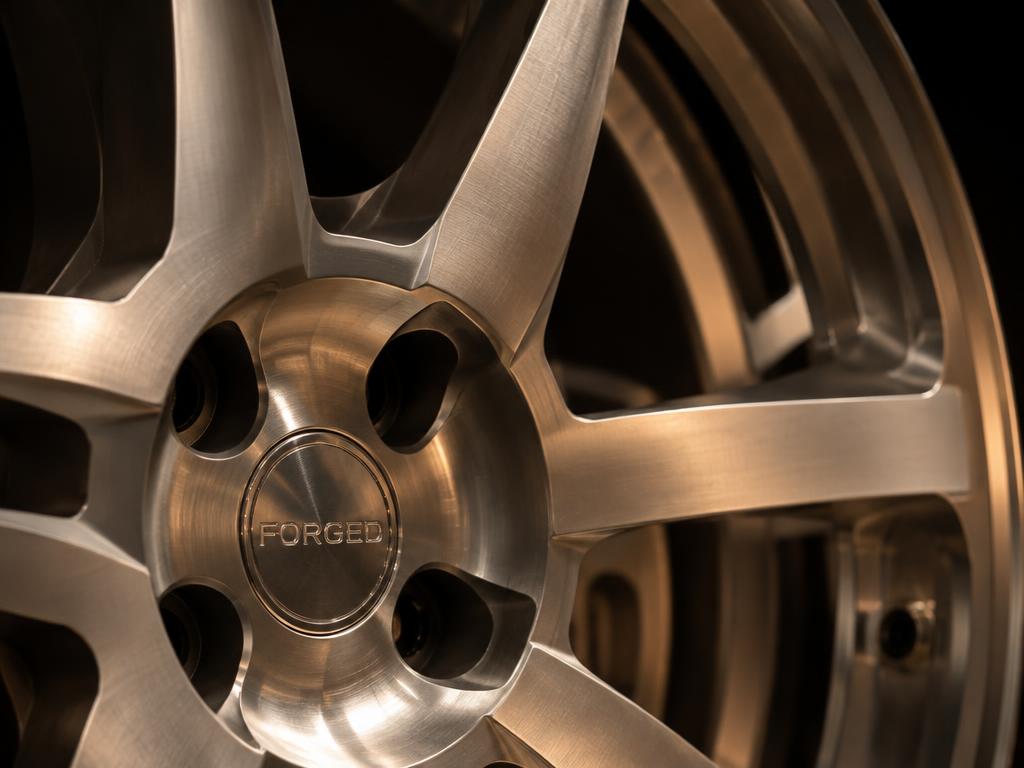
Optional forged magnesium wheels in the Weissach package.
Superalloy manifolds around turbochargers.
Superalloy hardware inside a 1,600 hp twin-turbo V8.
Mix of aluminum and advanced high-strength steel.
Steel wire then pressed steel wheels.
Unpainted brushed stainless steel body panels (SS304).
Automotive materials history is a story of manufacturing as much as metallurgy. A lighter metal only becomes useful when engineers can form, join and protect it reliably at the required production scale.
Early and mid-century vehicles illustrate the difference between a load-bearing frame and its outer panels. A racing car could combine a steel tubular structure with aluminum skin. A lightweight panel does not imply that the entire car uses an aluminum chassis, nor does a historical description establish the precise alloy grade.
Castings, extrusions and sheet can be combined in an aluminum vehicle structure. The Audi A8 aluminum space frame and the Lotus Elise bonded chassis illustrate different approaches. Joining technology is central: adhesives, rivets and carefully designed joints help transfer loads without treating every assembly as a conventional welded steel body.
Modern body structures use multiple steel grades rather than one uniformly strong material. Ductile regions can absorb crash energy while stronger regions help protect the passenger compartment. Press hardening and dual-phase microstructures are two routes to properties that differ from ordinary mild steel.
Racing encourages thin-wall exhausts, reduced rotating mass and highly optimized components, but race technology is not automatically suitable for road use. Additive manufacturing can create shapes difficult to machine, yet powder quality, residual stress, heat treatment and inspection remain part of producing a reliable metal component.