Categories
Five metal families, four places they shine.
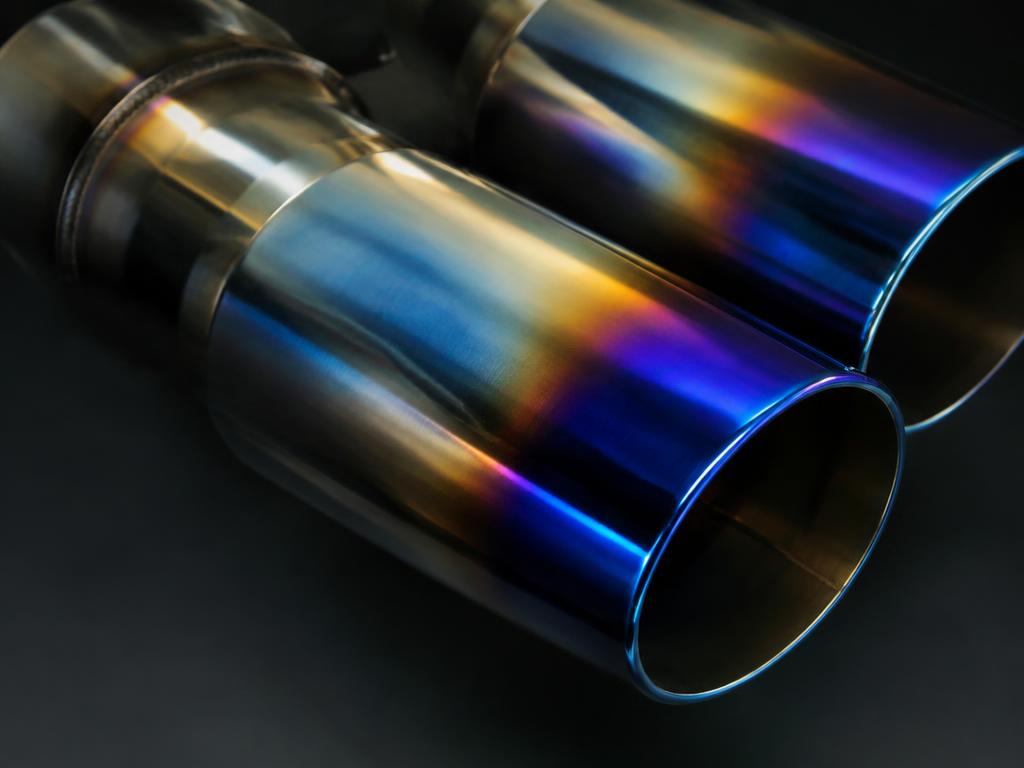
Titanium Alloys
4 entries
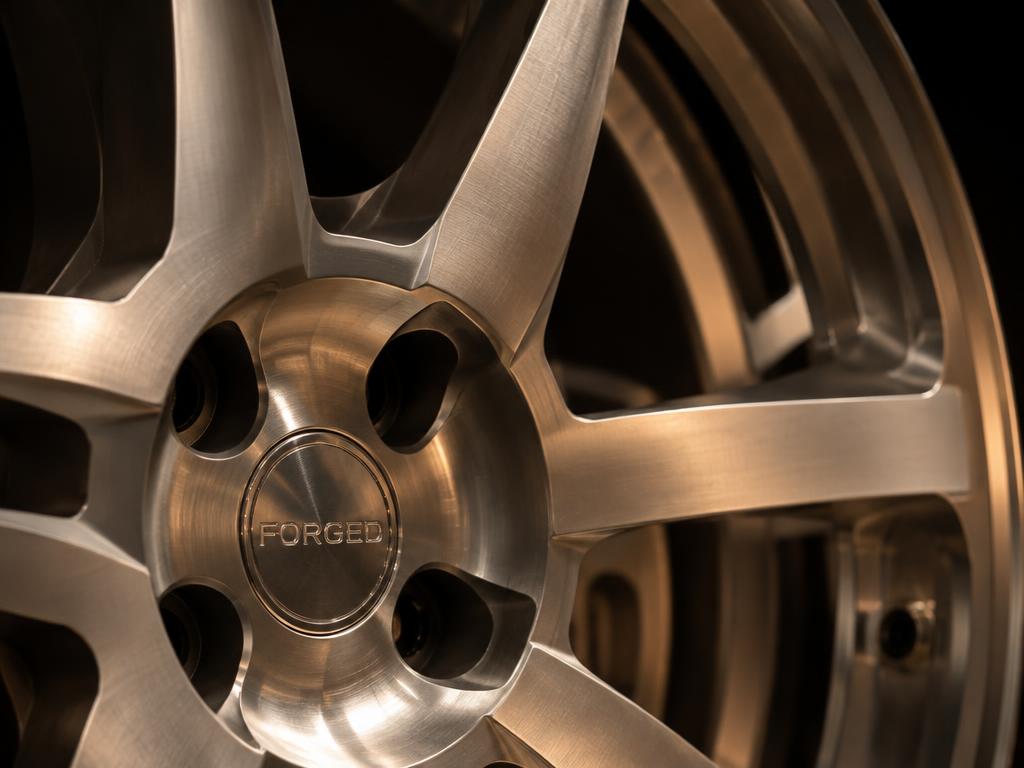
Aluminum Alloys
5 entries

Magnesium
3 entries
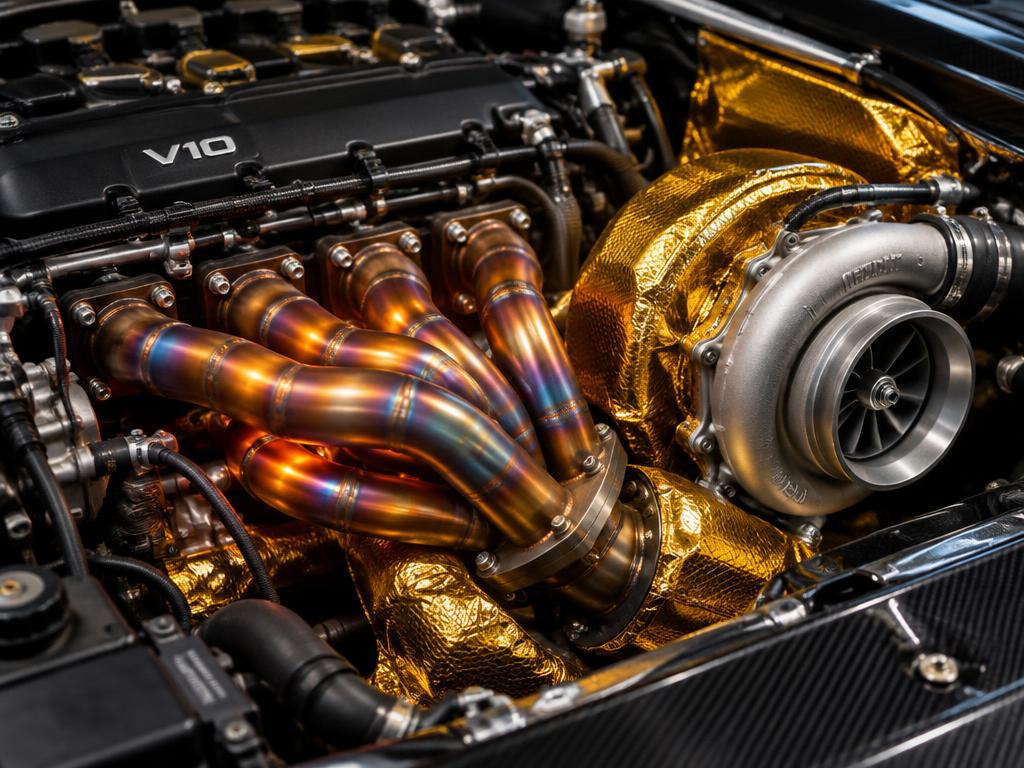
Nickel Superalloys/Inconel
4 entries
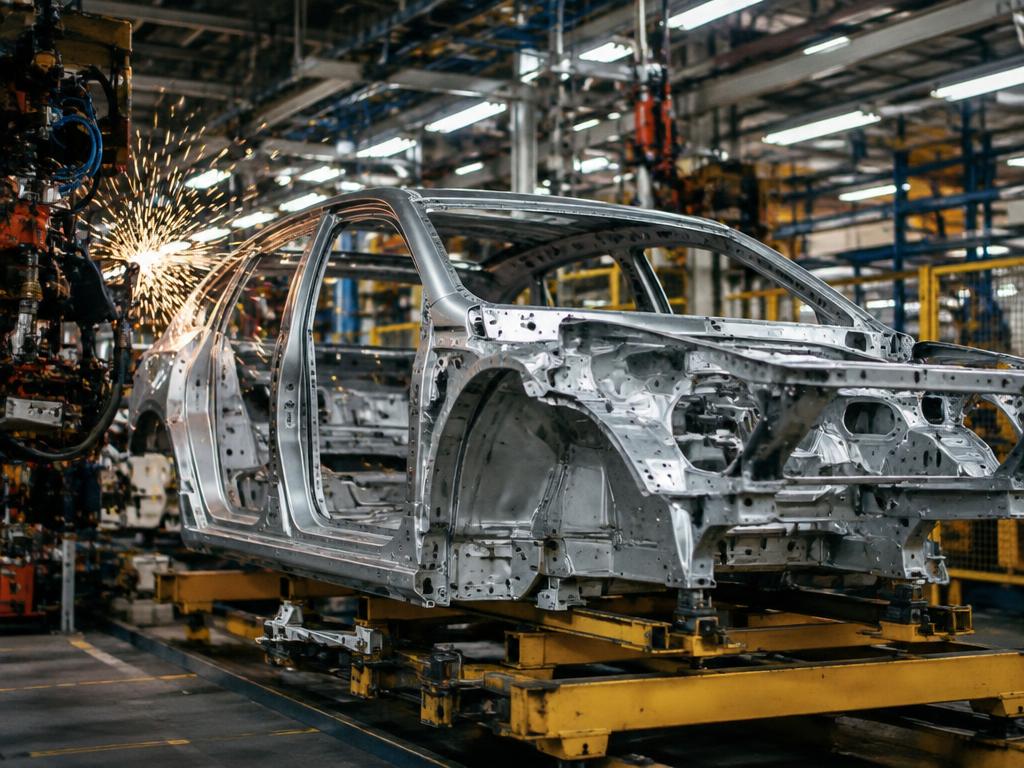
Advanced High-Strength Steels
6 entries
By application
Wheels & Unsprung Weight
Powertrain & Turbochargers
Monocoque/Chassis
Exhaust Systems
Aluminum, steel, titanium, magnesium or Inconel?
Metal families group materials by their main constituent. Within each family, individual grades can have very different properties, so a family name alone cannot specify a safe replacement part.
Aluminum alloys: castings, wheels and body structures
Aluminum alloys combine relatively low density with many manufacturing options. Silicon-containing casting grades such as A356 suit complex shapes. Magnesium-silicon grades such as 6061 can be extruded and heat treated. Magnesium-rich 5xxx sheet alloys serve forming and corrosion-resistance needs, while zinc-rich 7xxx grades prioritize high strength.
Titanium and magnesium: two different lightweight strategies
Magnesium is less dense than aluminum, but corrosion protection and component design are important. Titanium is denser than both, yet can be attractive for highly loaded parts because of its strength-to-weight ratio. Neither automatically produces a lighter finished part: stiffness requirements, section thickness and fatigue loads still decide the outcome.
Nickel superalloys and steels
Nickel superalloys are selected for combinations of hot strength, oxidation resistance and corrosion resistance. Inconel 625 and 718 are different grades, not generic synonyms for heatproof metal. Steels span low-carbon wheel materials, stainless exhaust alloys and advanced high-strength body steels. Their processing and microstructure determine how they perform.
Choose by component, not prestige
Wheels require verified load capacity and fitment. Exhausts face temperature cycles and corrosion. Body structures must absorb or redirect crash loads. Engine components face fatigue and heat. Expensive materials are useful only when their properties match the actual service conditions.