Forged vs Cast Wheels
The difference, explained by the metal inside.
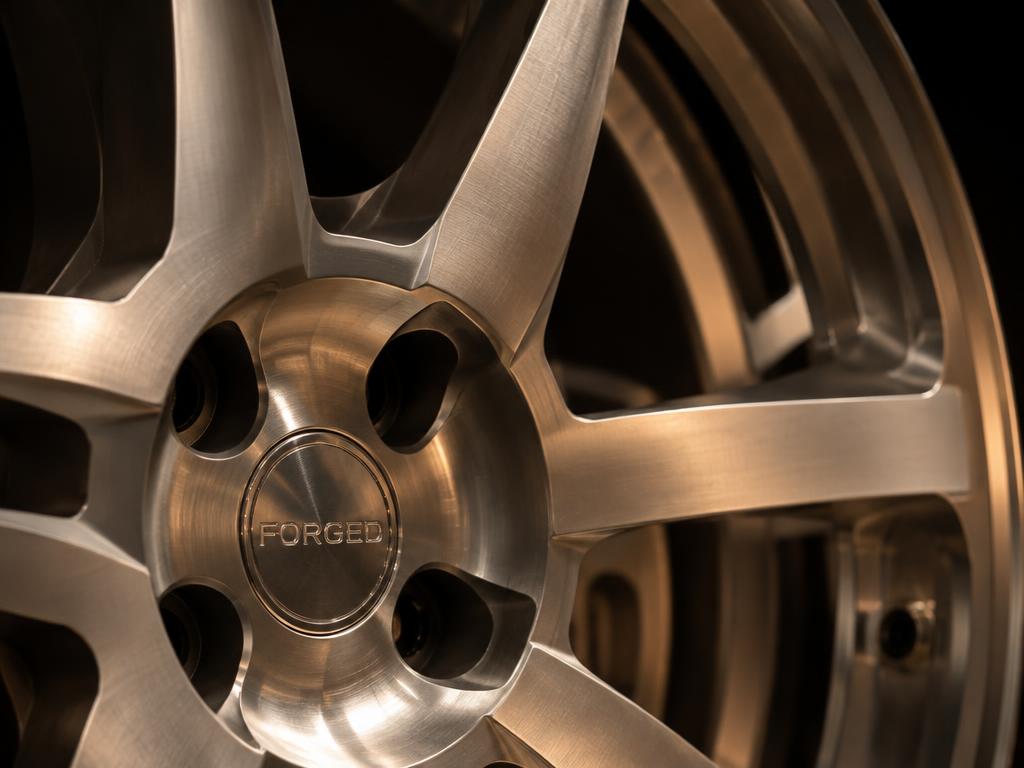
Many cast wheels use A356 aluminum; many forged aluminum wheels use 6061-T6. Manufacturing, heat treatment and geometry together determine the finished wheel’s performance.
| Cast | Flow-formed | Forged | |
|---|---|---|---|
| Starting material | Molten aluminum casting alloy | Usually a cast wheel blank | Solid billet or forging stock |
| Main process | Casting, finishing and any specified heat treatment | Rollers work the barrel | Pressure shapes metal before final machining |
| Weight | Depends on size, design and load rating | Compare the specific wheel | Compare the specific wheel |
| Buying evidence | Published load rating and test information | Clarify which portion is flow formed | Verify material, testing and fitment |
What about magnesium wheels?
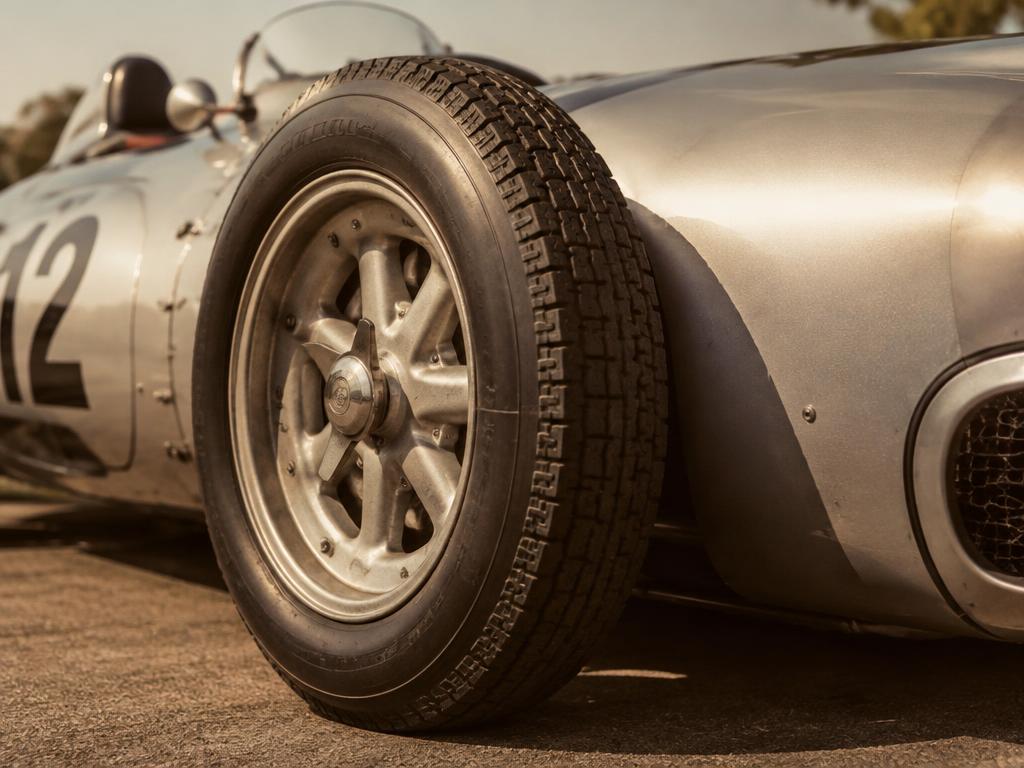
Forged magnesium wheels can offer low-mass designs, but weight, cost, corrosion protection and approval depend on the specific product.
Forged vs cast vs flow-formed wheels: what actually changes?
Casting, forging and flow forming describe manufacturing routes, not decorative finishes. The right comparison is between finished wheels of the same size, intended load and application, with reliable test information.
How are cast alloy wheels made?
Casting forms a wheel from molten metal in a mold. Aluminum-silicon-magnesium alloys are common because they suit casting and can be heat treated. Process control matters: porosity, heat treatment and the final design all affect fatigue performance. A well-engineered cast wheel can be an appropriate road-use choice.
How are forged wheels made?
Forging shapes solid metal under pressure before machining the final wheel. Many forged aluminum wheels use 6061-based material with a specified heat treatment. Forging can support efficient high-strength designs, but the label alone does not prove a particular wheel is lighter, safer or stronger than every cast wheel.
Are flow-formed wheels forged?
Flow forming commonly starts with a cast wheel blank and works the barrel with rollers while it rotates. It is not the same as forging the entire wheel. Manufacturers use different terminology, so check which portion is worked and ask for the actual product's weight and load certification.
6061 vs 7075 aluminum for wheels and car parts
6061 is a magnesium-silicon aluminum alloy valued for a useful balance of strength, corrosion resistance and manufacturing versatility. 7075 is zinc-based and can reach higher strength in suitable tempers, but welding and corrosion behavior differ. Higher tensile strength does not make 7075 a universal upgrade for wheels or other safety-critical parts.
Do lighter wheels improve performance?
A wheel contributes to unsprung mass and rotating inertia. Reducing those can help the suspension respond and reduce the energy required to change wheel speed. The result depends on tire mass, wheel geometry and the vehicle setup; there is no universal conversion between kilograms saved and acceleration gained.
Why there is no universal wheel price or weight
Diameter, width, design, load rating, finish, brand and market all influence price and mass. Compare published specifications for the exact wheel, and include compatible tires, mounting hardware and installation in the cost. Avoid treating a manufacturing label as a guaranteed weight saving.