Steels · Pre-1970s · 1920
Pressed Steel Wheels
Cheap, tough and repairable — the original car wheel and still the winter favourite.
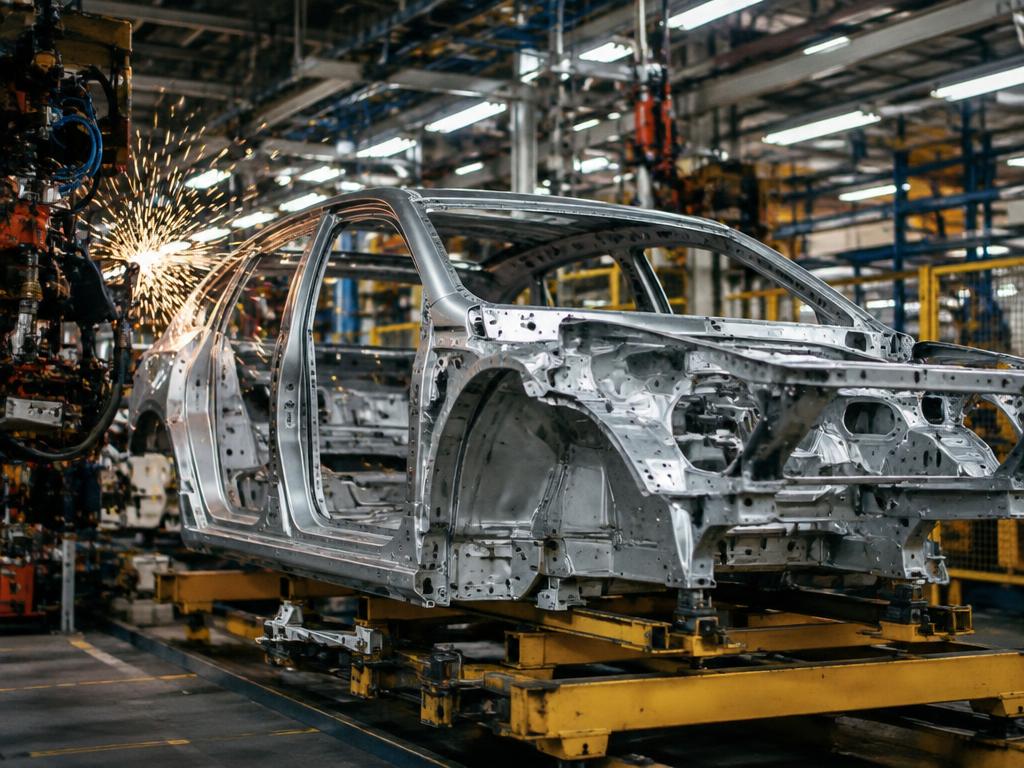
Pressed Steel Wheels composition
Simplified nominal composition; not a certified specification. Broad categories may include several grades.
| Fe | 99% |
| C | 0.15% |
| Mn | 0.6% |
Properties
Qualitative editorial ratings, not measured design values. Properties depend on grade, product form and condition.
Automotive examples and material context
These examples illustrate applications; confirm the exact grade, component and model year with manufacturer documentation.
Steel wire then pressed steel wheels.
History
- 1920 — Pressed steel replaces wood spokes
Related alloys
What is Pressed Steel Wheels?
Pressed steel wheels describe wheel construction rather than a single alloy grade. Steel is itself an iron-based alloy, so the everyday contrast with alloy wheels usually means steel versus aluminum wheels.
Manufacturing and material condition
A steel wheel commonly combines formed components joined into an assembly. Design, weld quality, coatings and verification tests influence its service performance.
Automotive applications
Economical road and seasonal wheel sets are relevant uses when a suitable approved product is available. Brake clearance and vehicle load requirements still apply.
Limitations and selection considerations
Steel wheels are not universally repairable after bending, nor automatically compatible with every tire or brake package. Inspect damage and follow manufacturer guidance.
How does it compare with other materials?
Compare real steel and aluminum wheels of the required size and load rating. Weight, price and durability vary between products rather than following one fixed rule.